
June 15, 2025
Inside the World's First Biohacking Expedition to Antarctica
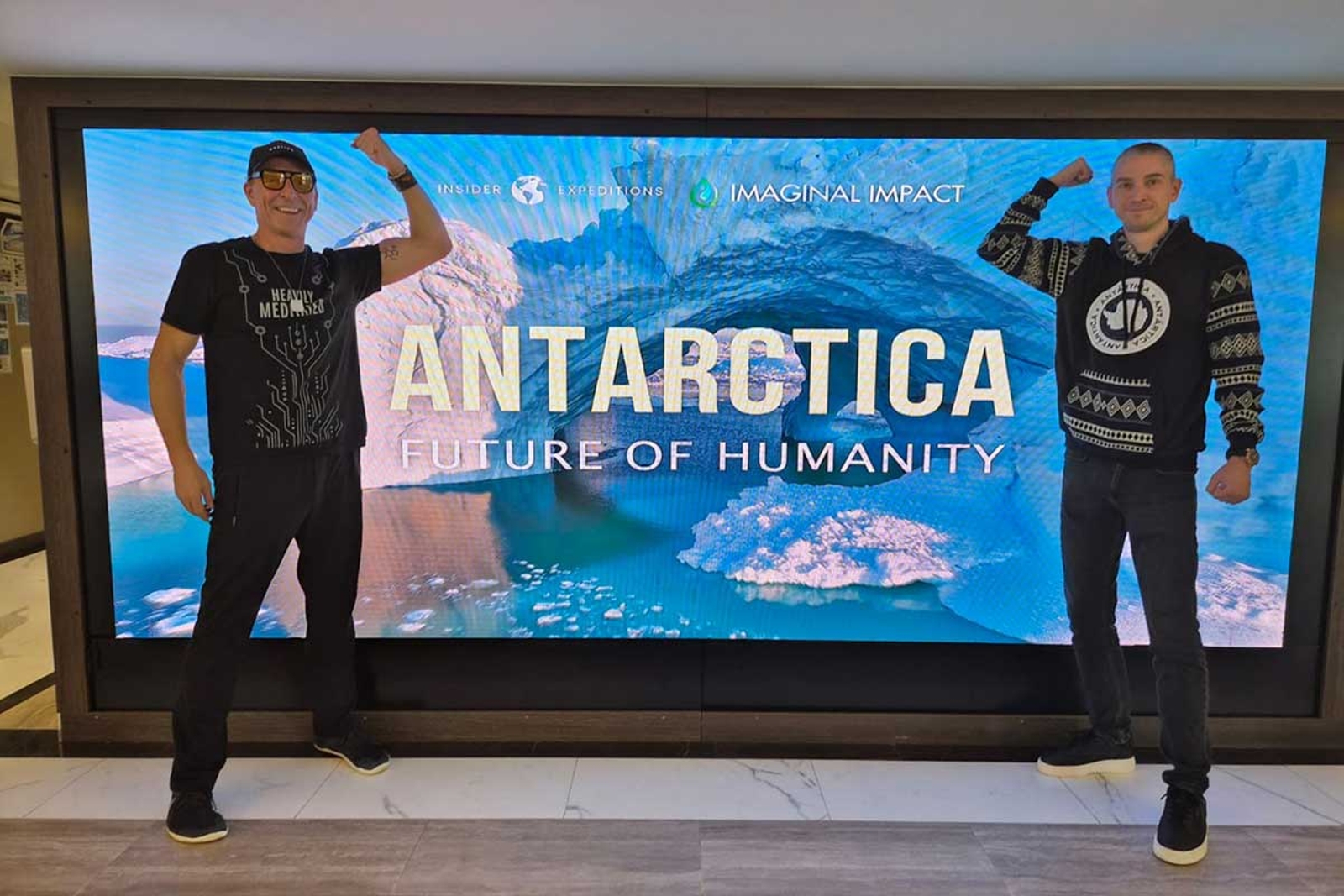
Bojan joined Insider Expeditions' Future Antarctica program, a once-in-a-generation journey to the white continent with scientists, explorers, and longevity researchers.

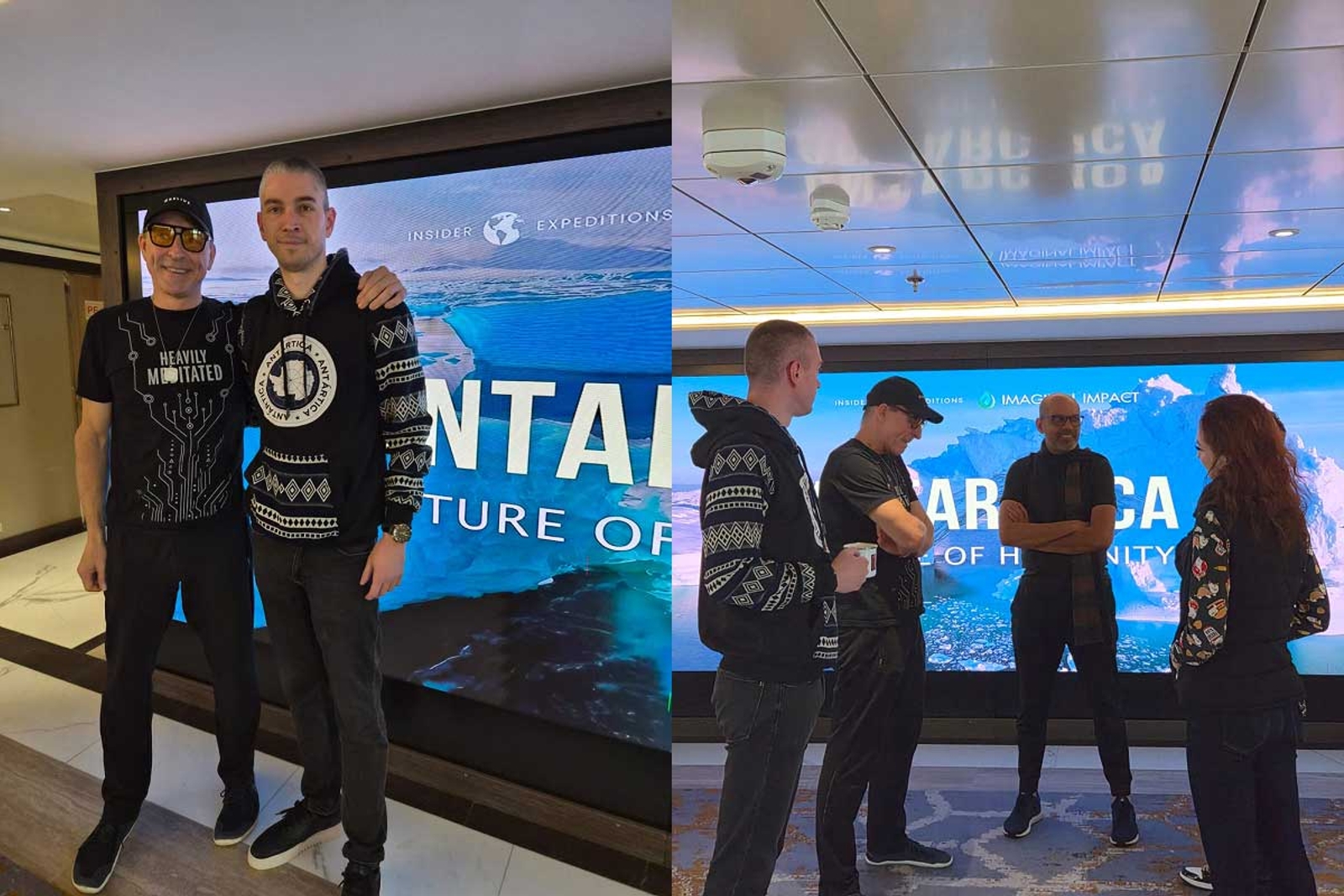
Nine days on the seventh continent with Dave Asprey, Alberto Villoldo, Laura Hof, Dr. David Perlmutter, Nichola Conlon, Christian Drapeau, Brandon Birchak, Ally Bogard, Michael Shaun Conaway, and Carl Hayden Smith, hosted by Insider Expeditions. These are my notes from the voyage.
Why this voyage
The premise was specific. Take the people doing the most serious work in longevity, metabolic health, regenerative biology, and consciousness. Put them on a ship in Antarctica for nine days. Let the conversations run without the friction of conferences, time zones, or stage lights. The continent itself does work on the nervous system no controlled environment can reproduce. Combine the two and the science gets sharper, because the participants are not protecting any energy for anything else. That is the room I wanted to be in.
The ship and the rhythm
We sailed from Ushuaia aboard the World Explorer. Mornings opened with meditation and breathwork. Days were Zodiac landings, glacier approaches, wildlife observation, and naturalist briefings on Antarctic ecology, the Antarctic Treaty governance system, and the conservation infrastructure protecting the continent. Evenings were lectures, workshops, and sound ceremonies. The rhythm ran physiology in the morning, exploration through the day, integration at night. I am now using that structure inside my mentoring programs.
The science on board
The lineup represented a working cross-section of where human longevity and performance research is moving.
Dave Asprey delivered the latest protocols across metabolic health, cognitive performance, and resilience. Applied work, not theory. David Perlmutter, a board-certified neurologist and author of Grain Brain, went deep on the mechanisms linking diet, microbiome, and cognitive decline. Nichola Conlon, molecular biologist and founder of Nuchido Laboratories, walked through the NAD+ science underneath modern longevity supplementation: the clinical data, the cellular pathways, what is actually modifiable. Christian Drapeau, twenty-five years into stem cell research and author of Cracking the Stem Cell Code, mapped how endogenous stem cells drive tissue repair, immune function, and healthy aging. Brandon Birchak presented his work on respiratory adaptation under extreme load, including data on lung capacity gains he has produced with Olympic medalists and UFC athletes.
Alberto Villoldo brought four decades of medical anthropology and shamanic research from the Amazon and Andes, working at the intersection of trauma, biology, and consciousness with the rigor of a clinician. Laura Hof led breath training and cold protocol work rooted in nervous system regulation. Ally Bogard worked on embodiment and the psychological architecture underneath sustainable performance. Michael Shaun Conaway taught the Holonic Method, his framework for integrating fragmented self-states. Carl Hayden Smith, founder of the Museum of Consciousness, presented his Hyperhumanism research on technology as a catalyst for innate human capacity, drawing on £10M of funded work across 40 countries.
This group challenged each other across nine days in front of the same forty people. No other format produces that.
Cold, ice, and the Polar Plunge
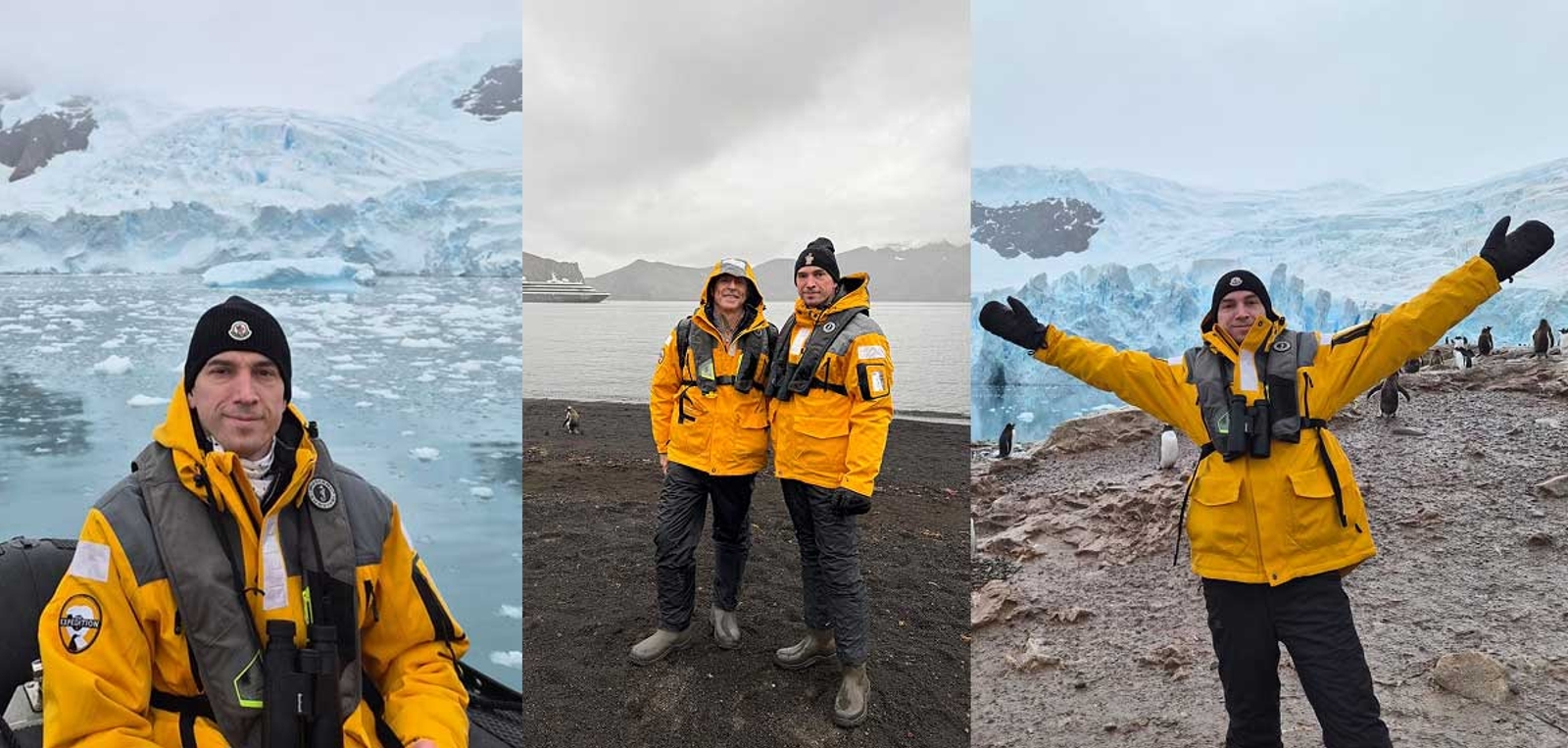
The Polar Plunge is the visible cold work. The more interesting exposure was ambient: hours on open deck, on Zodiacs, on landings, in conditions the body cannot escape and therefore has to adapt to. No urban cold protocol replicates that dose-response curve. Pair it with Laura Hof's breath training and the ship's sauna for contrast, and the conditions for measurable adaptation are as complete as I have encountered.
Wildlife and the excursions
Glacier kayaking. Stand-up paddleboarding through sea ice in protected bays. Zodiac landings among penguin colonies, seals, and whales. Naturalist lectures on Antarctic wildlife, flora, fauna, and the legacy expeditions that shaped polar science. The excursions are the experiential half of an argument the speakers are making indoors: the human nervous system is built for environments most of us never enter, and reentering them belongs in the longevity equation.
What I took back into my work
The NAD+ and stem cell material from Conlon and Drapeau is informing how I think about regeneration protocols inside the online academy. Birchak's respiratory work is changing how I structure breath training. The Hof breath-and-cold sequencing refined methods I already use. Villoldo, Bogard, and Conaway sharpened the part of my work that operates below the level of biomarkers, the integration piece that decides whether any protocol holds.
The other thing I came back with is the network. Forty people who spent nine days together in conditions that strip out the performances of normal life, plus a direct line to nine of the people setting the agenda in their fields. That access keeps the protocols I teach and the retreats I run anchored to where the science is moving, not where it was five years ago.

