
May 28, 2026
Breathwork and Cold Exposure: Mechanisms, Outcomes, and Field Research from Finland
How breathwork and cold exposure interact, the mechanism behind each, and what Bojan observed during a field session in Finland that included under-ice freediving.

Breathwork and cold exposure show up on most biohacking protocols. They are also two of the most misunderstood interventions in popular wellness content. This case study covers how each works, why combining them changes the response, and what Bojan observed during a field session in Finland that included under-ice freediving.
Why study these two interventions together
Breathwork and cold exposure act on the autonomic nervous system through different mechanisms but converge on the same set of outcomes: improved vagal tone, increased stress tolerance, better recovery, and stable mood. Practitioners who train one in isolation produce measurable change. Practitioners who run them in sequence produce change faster. The breathwork prepares the nervous system for the cold. The cold reinforces the autonomic shift the breathwork initiated.
Breathwork mechanisms
Three breathwork approaches show up most often in performance protocols: cyclic hyperventilation (Wim Hof Method), box breathing, and slow-paced resonance breathing at around six breaths per minute.
Cyclic hyperventilation drives short-term respiratory alkalosis, increases adrenaline release, and shifts the autonomic system into sympathetic dominance. The recovery phase (extended breath holds) produces a parasympathetic rebound that participants experience as calm and clarity. This is the protocol that pairs with cold immersion.
Box breathing and resonance breathing at six breaths per minute act through baroreflex sensitivity. Slow, controlled breathing at this rate raises heart rate variability and trains parasympathetic responsiveness. These protocols suit pre-sleep, pre-meeting, and recovery use.
Cold exposure mechanisms
Cold immersion below 10°C activates the sympathetic nervous system through skin thermoreceptors, triggering norepinephrine release, vasoconstriction, and brown adipose tissue activation. Repeated exposure produces measurable adaptation: improved vagal tone at baseline, reduced inflammatory markers, and increased cold tolerance.
The variables that matter for response are temperature, duration, and frequency. Short exposures (two to three minutes) at 4 to 7°C, repeated several times per week, produce the documented benefits without the diminishing returns of longer immersion.
Field research: under-ice diving in Finland
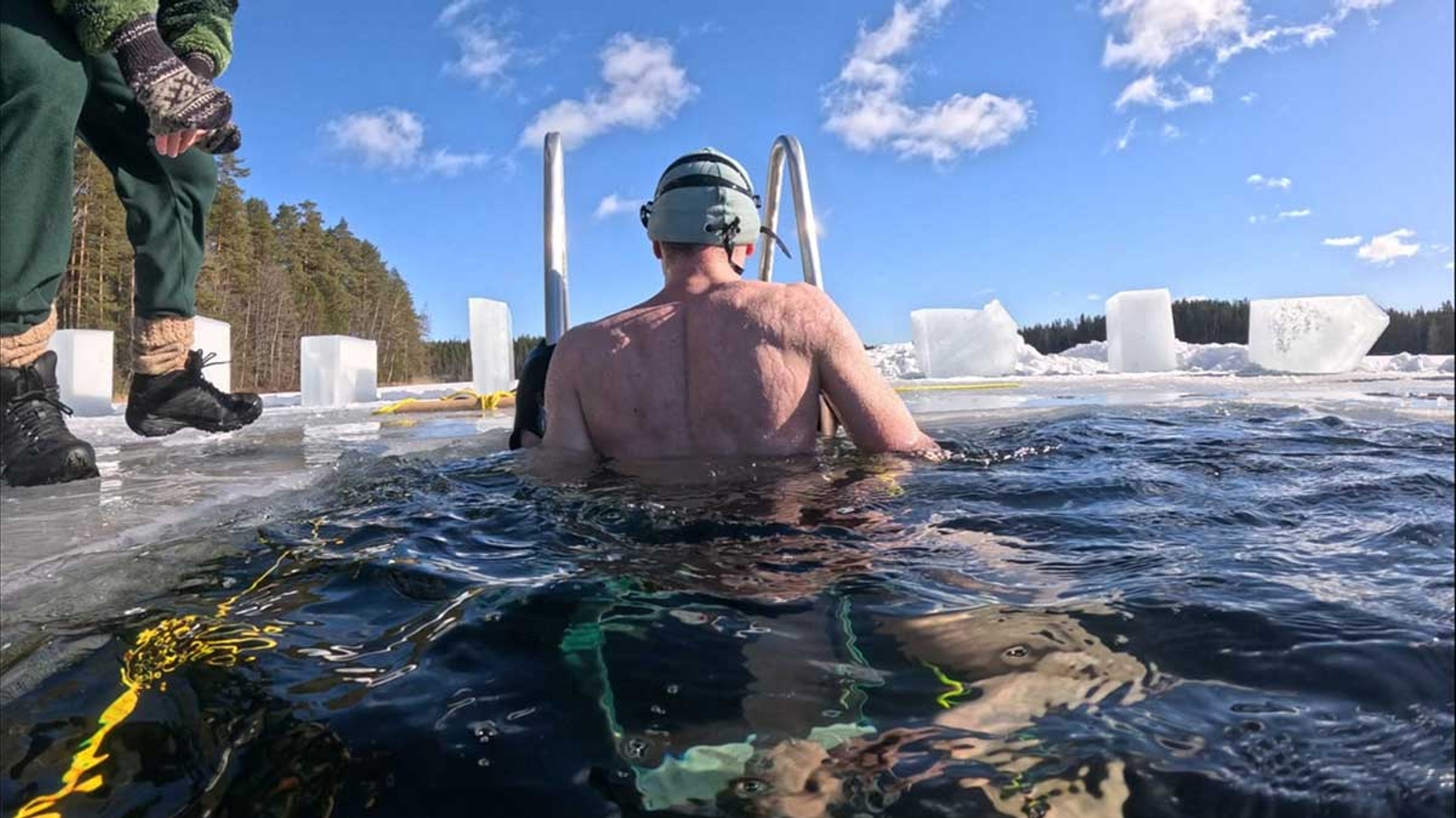
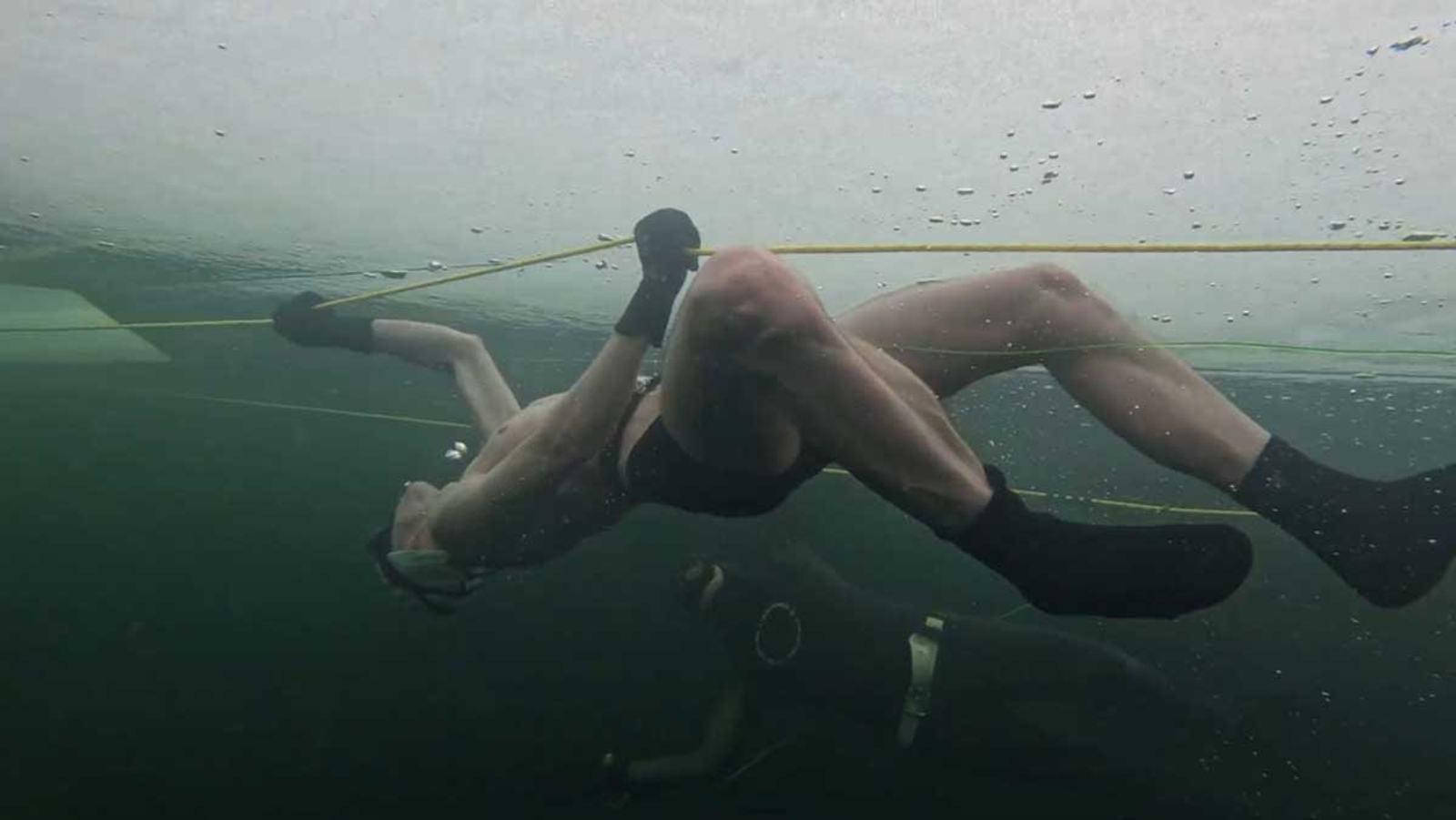
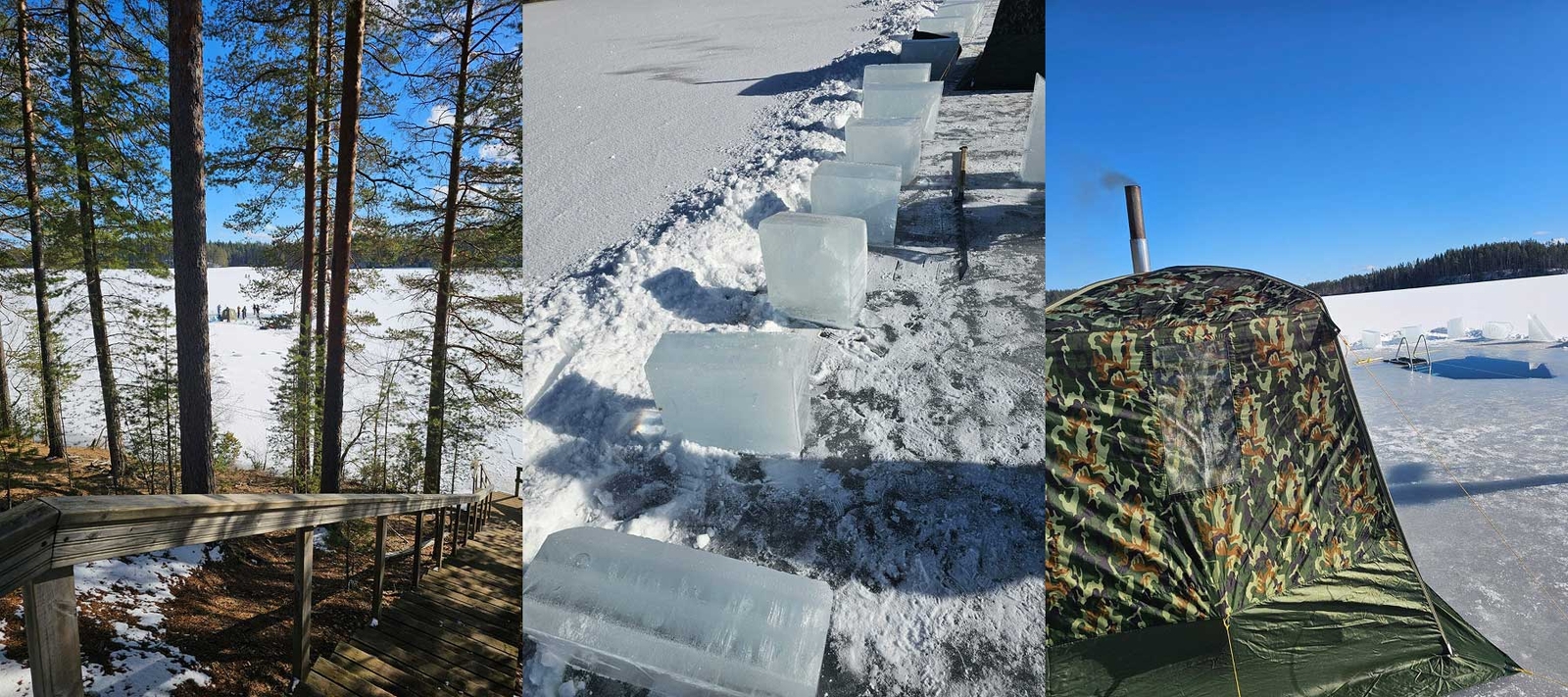
Bojan studied freediving and breathwork in Finland, including sessions that involved diving under a frozen lake through a cut hole in the ice. The conditions remove every safety margin a typical cold-water session has. Surface temperature near freezing, water temperature at one to two degrees, no air above except the small entry hole. Breath-hold capacity, mental composure under sympathetic load, and exit awareness become non-negotiable.
Two observations from that work informed how Biohacking Academy teaches cold protocols.
First, breathwork preparation determines the outcome of the cold session. Participants who entered the ice with controlled, slow breathing held composure throughout. Participants who entered without preparation lost breath control within seconds. The breathwork is the variable that decides whether the cold produces adaptation or panic.
Second, the body adapts to extreme cold faster than the popular content suggests. Repeated exposure across consecutive days produced different observable responses by day three. The implication for home practice: frequency matters more than peak intensity. Three minutes at 5°C, four times a week, outperforms one 15-minute session a month.
Outcomes from combined-protocol sessions
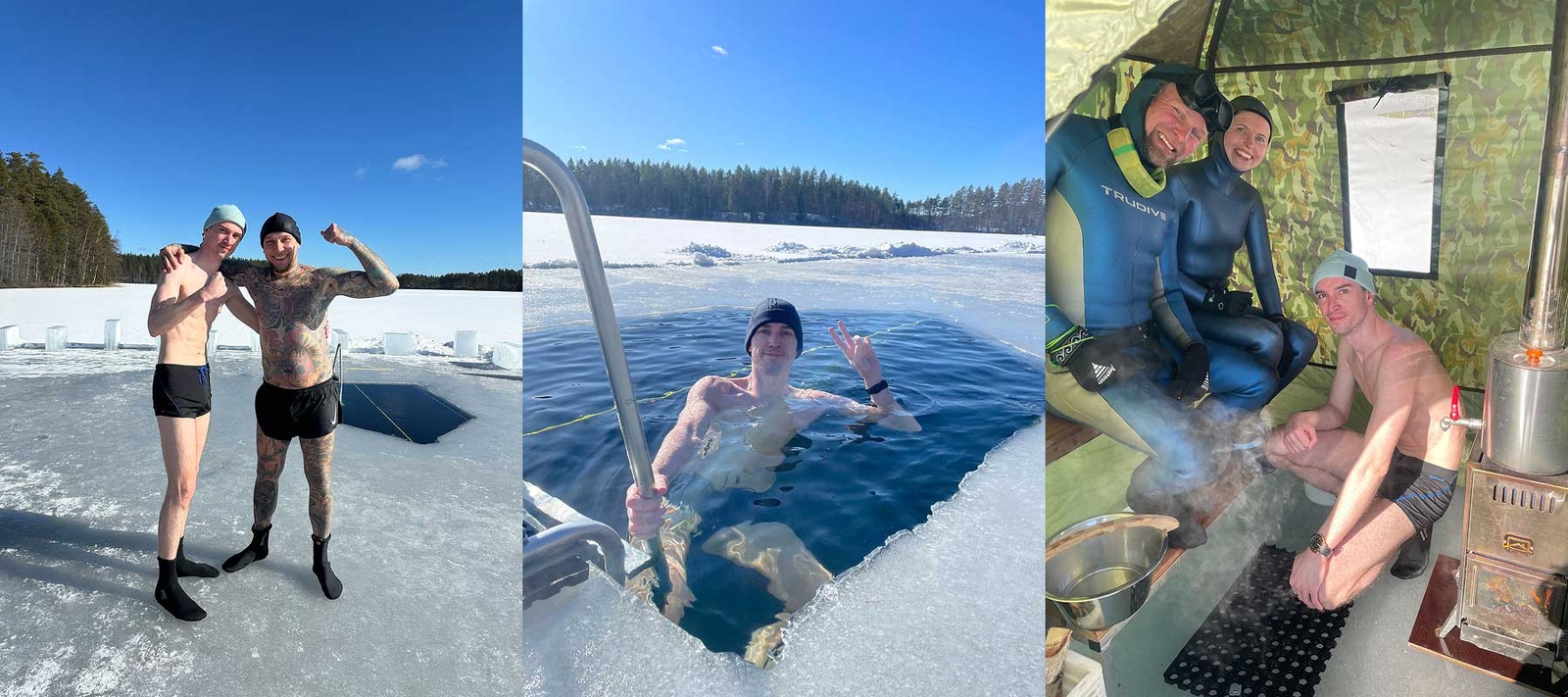
Combined breath-then-cold sessions run with participants over weeks produced the expected directional outcomes: better sleep quality, more stable mood, increased cold tolerance, reported cognitive clarity within an hour of the session. The strongest predictor of sustained response was practice frequency. Participants who trained four or more times per week held their gains. Those who trained twice or less reverted to baseline within four to six weeks.
How this applies inside the programme
The breath-then-cold sequencing taught inside Biohacking Academy retreats is built on this work. The same protocol layer is the foundation of the online academy and the mentoring programs, with home implementation calibrated to each participant's response data rather than a generic dose. The Ibiza 2025 case study covers what this looks like inside a full residential retreat.
The Finland field research raised the ceiling on what the protocols can do. Under-ice conditions function as calibration. Once a practitioner holds composure in two-degree water with no surface above, three-minute cold plunges become a baseline rather than a challenge. That recalibration is what every Biohacking Academy retreat is designed to deliver, at a dose level matched to each cohort.

